Lutheran Social Service of Minnesota – Refugee Services Offers Welcoming Presence and Vital Resettlement Resources to New Minnesotans
Bridging Agency Partner Spotlight
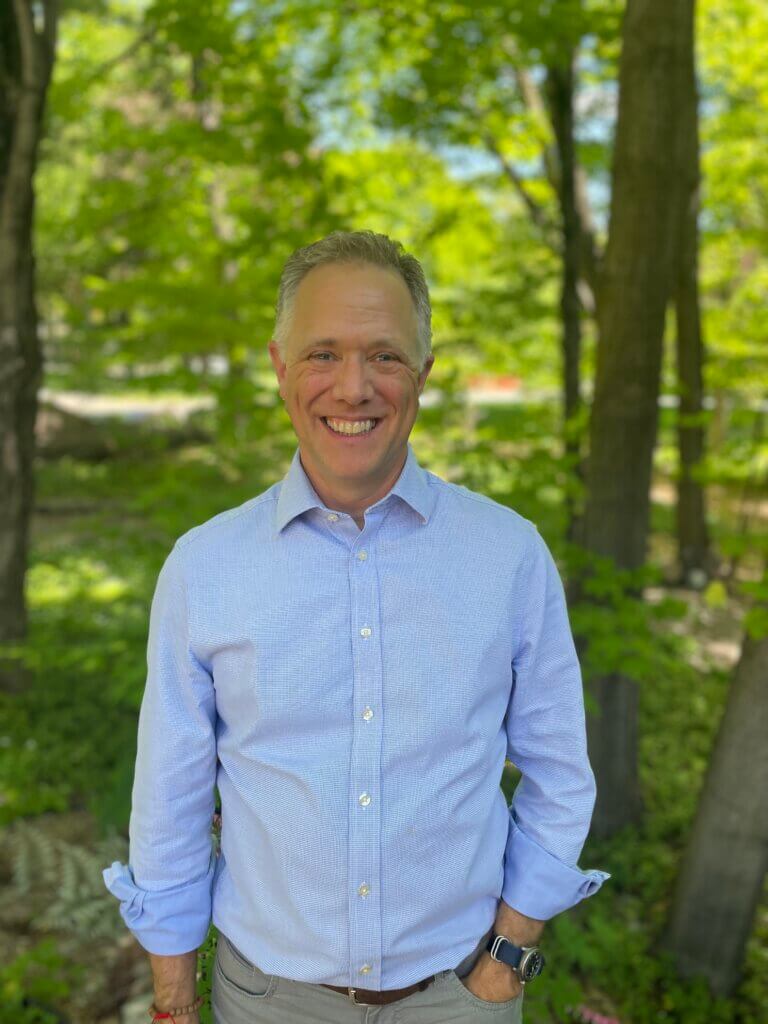
Featuring Lynn Mullin, Director of Refugee Services, Metro Region
There are 43.4 million refugees worldwide. Less than one-half of 1% of the world’s refugees each year find a safe haven through resettlement in another country.*
Minnesota organizations like Lutheran Social Service – Refugee Services provide a welcoming presence, a qualified staff with cross-cultural competence, and a collection of critical services that support refugees who resettle in Minnesota.
Lynn Mullin, Director of Refugee Services in the Metro Region, works alongside a team that coordinates housing and resources for refugees before their arrival and in their initial months as residents.
 “Refugees are coming from places they have fled because of legitimate fear of persecution, and their government cannot or will not protect them,” she says. “Many have been in refugee camps for 30 years, while other refugees have lived in urban areas at the mercy of the political system and authorities.”
LSS Refugee Services serves families from all over the world. Currently, the largest group comes from Somalia. New arrivals also come from Afghanistan, Burma/Myanmar, Democratic Republic of Congo, Latin America, Sudan, Syria, and elsewhere, according to Lynn.
Individuals who receive refugee status in the United States are eligible for services through the federally-funded U.S. Refugee Admission Program: Reception and Placement within the U.S. Department of State.
Each fiscal year, a presidential determination sets a target number of refugees to be admitted for U.S. resettlement. In fiscal year 2024, which ended on September 30, 2024, the United States resettled 100,000 individuals. The presidential determination for FY25 is 125,000.
“It’s been a busy year,” Lynn said. “2024 will be the first time in five years that we have resettled 100% of the individuals we anticipated and planned for resettlement in Minnesota.”
LSS Refugee Services provides a variety of services to refugees within the first five years of arrival to the United States. This includes Reception and Placement for the first 90 days upon their arrival. Individuals and families may also be eligible for a matching grant program that provides an additional eight months of support including employment assistance and cash benefits.
Lynn’s team focuses on accessing important resources that help create stability for refugees as they transition to life in Minnesota. They work within short timelines, sometimes not knowing of a family’s arrival until two days in advance.
The team has a dedicated housing specialist who builds relationships with property owners and secures housing options for incoming families.
“The housing search is complicated,” she says. “When refugees arrive in this country, they don’t have the documentation that property owners are accustomed to seeing. They have no rental history or jobs. They have only $1,250 per person. We have property owners we partner with who are highly reliable and will help expedite the housing process.”
Once housing is secured, LSS Refugee Services is expected to provide a federally-regulated list of household goods, which includes basic items, such as beds with frames, a dining room table and chairs, living room seating, kitchen and cleaning supplies, linens, and more.
With such short notice of a refugee family’s arrival, LSS staff work quickly to set up the household.
Scheduling Bridging appointments ahead of time, LSS staff or Bridging volunteers will often shop for a family before their arrival. They strive to select a foundational home setup that will help people feel welcome and comfortable while aligning with the cultural preferences of the family as much as possible.
“I appreciate the little touches the Bridging volunteers include. I like to unpack the boxes and see the extra pieces — a tea kettle, vase, beautiful trays, the little and fun things that will make the house a home,” she says.
“The volunteers are attentive to the choices and offer suggestions, such as: ‘This couch would look good with this chair. Or perhaps an additional seating option, like pillows or rugs, could help create a comfortable space for people from cultures that take meals and entertain guests while seated closer to the ground than the American standard. The volunteers put together a cohesive household. I really appreciate that about them.”
Staff and volunteer groups at LSS play an important role in welcoming each family and assisting with important activities, such as picking up furniture at Bridging, transporting it to the home, and setting up the household.
“I also want to give a shout out to the warehouse team,” Lynn says. “Because Bridging volunteers often do the preference shop, there might be an item that it so too heavy for our team to move. The warehouse team will gladly switch out a piece for a smaller item when we are picking it up. They’re helpful and friendly.”
“Bridging is easy. Everything that a family needs to furnish their home is there, and the low appointment fee is so accessible to the families we serve. I also appreciate the ethos of the Bridging team. The Client Services Team provides a lot of grace as we work under pressure and short notice of families’ arrivals.”
After families move into their furnished homes, they engage in many important resettlement activities like enrolling in school or English classes, obtaining social security cards, attending cultural orientation training, navigating public transportation and community libraries, and seeking employment. LSS staff and volunteers offer support throughout these activities and help create a welcoming and positive experience for the families.
Lynn underscores the vital role of Bridging and a furnished home in a family’s transition:
“The act of walking into a furnished home — saying ‘This is my bed, my furniture, my home’ — this is one of the first steps to helping refugees create stability in Minnesota. A furnished home is the groundwork, the foundation that helps them succeed. They have a place to sit down and study, to learn English, and succeed in school, create relationships with their neighbors and connect with the community. A furnished home is a place to take care of themselves and their families.”
*According to LSS Refugee Services and UN Refugee Agency