Case Manager Lori Hill Shares Her Flair for Furnishing Homes & Building Community
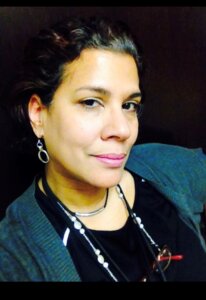
Case manager Lori Hill is a dedicated advocate, “meeting each person where they are at” as she works alongside residents of the Salvation Army’s Hope Harbor in their transition to sustainable housing. One of her favorite parts of her job is connecting residents to Bridging where they furnish their homes according to their unique needs and preferences.
Lori’s extensive case management experience at many Twin Cities nonprofits, paired with her flair for design honed through years as a realtor and decorator with first-time homebuyers, lend well to her process of helping residents envision and set-up a comfortable home.
“In my role, I have always worked for people experiencing homelessness. It will never end, but I’ve helped put a dent in it. Full service is to house people, furnish their homes, and help with whatever they want to do next. … I have worked with Bridging for over 20 years. Bridging is not a secret, but it takes someone to introduce it.”
Lori has worked with the Salvation Army at two different times throughout her career. A decade ago, she worked in the agency’s Rapid Exit Program, providing case management support to single adults who were positioned to transition into housing in an accelerated time period.
As a case manager at Hope Harbor for nearly four years, she meets with residents, all single adults, who have transitioned to home in the agency’s 96 accessible independent-living housing units. The supportive housing program provides affordable housing and resources to its residents who have experienced long-term homelessness.
With compassion and her uplifting demeanor, Lori builds a relationship with each resident and facilitates goal setting around three main pillars — housing, health, and income— with the goal that each person lives independently.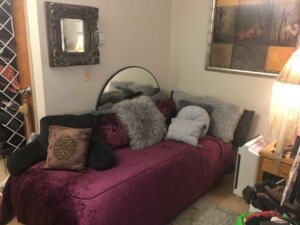
“When people first get their studio apartment, they are so excited. I work with people who are already housed. When I go into their homes, I’ve found that many apartments are sparsely furnished. By paying a $70 Bridging fee, we can help them make their apartments into homes.”
“I want to embrace this process, furnish their homes, and talk to them about their goals. ‘Do you want to get a job? Do you want to reunite with family members?’ We have many people without family or connections. I want to find a way to brighten up their day.”
Lori makes online Bridging appointments for residents at Hope Harbor who would benefit from Bridging’s services. As residents await their Bridging appointments, Lori explains what the Bridging experience will be like – a personalized shopping experience in the Bridging warehouse focused on selecting a full-household setup of furniture and essential household goods.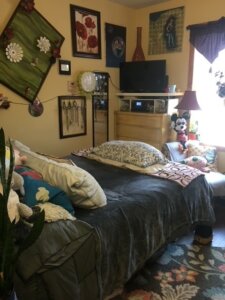
“At Bridging, the volunteers and I guide them to get the right types of things, helpful things, all the furnishings for their place. Going to Bridging takes off the financial burden of creating a home when someone doesn’t have an income or transportation.”
And the real joy happens when a resident’s furnishings are delivered by the Bridging Warehouse and Delivery team, according to Lori:
 “I’ve gotten tears. People sit on their couch for the first time. They lay on their new bed. They’re happy,” she says. “I remember one person who wanted to host a party and gathering with her extended family because of what she received at Bridging.”
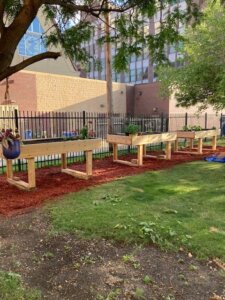
Lori strives to build community at Hope Harbor by inviting residents to plant and tend to garden boxes in Hope Harbors’ outdoor areas. Many residents also plant flowers in pots and on small tables and display shelves they receive from Bridging. Community participation in the garden project continues to grow.
“Everyone needs a bridge,” says Lori. “I connect people to resources. Bridging gives people a bridge through a furnished home.”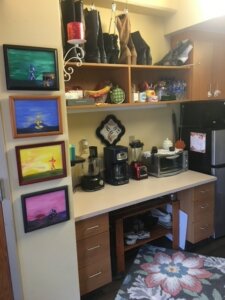
Salvation Army has been a Bridging agency partner for more than a decade. The agency and its many programs in the Twin Cities area provided 133 household referrals to Bridging last year.